How to Choose the Best Free Fruit Images for Your Food Blog
They say we eat with our eyes first – and nowhere is that more true than on a food blog. The moment a reader lands on your site, the images of juicy strawberries, vibrant citrus slices, or a basket of freshly picked apples will set the tone. Great visuals can make your audience’s mouths water and keep them reading. But how do you find the best free fruit images that will make your food blog shine? In this guide, we’ll walk through how to source and select high-quality fruit photos (without spending a dime), and how to use them to elevate your blog’s appeal. Let’s dive in!
Why Great Fruit Images Matter for Your Food Blog
In the world of food blogging, visuals are everything. A well-chosen fruit image can instantly convey freshness, flavor, and inspiration. Here’s why investing time in picking the right pictures is worth it:
-
Grab Attention: Bright and appetizing fruit photos catch a reader’s eye as soon as the page loads. This visual hook encourages them to start reading your post rather than clicking away.
-
Set the Mood: Images help communicate the vibe of your content – a warm pie with berries creates a cozy, homemade feel, while a platter of tropical fruits gives off vibrant, summery energy. The right image primes readers to feel what your writing is about.
-
Enhance Understanding: Ever tried explaining the lush color of dragon fruit or the texture of a kiwi in words alone? Images fill in those gaps instantly. A good fruit photo can illustrate your recipe or topic at a glance, making complex descriptions unnecessary.
-
Professionalism and Trust: High-quality visuals make your blog look polished and credible. If your images are crisp and relevant, readers subconsciously trust your content more. On the other hand, blurry or unrelated pictures can harm your professionalism.
In short, choosing great fruit images isn’t just about making your blog “prettier” – it’s a smart strategy to engage your audience and communicate more effectively.
Where to Find Free Fruit Images (Legally)
Finding free fruit stock photos is easier than ever, but you need to know where to look and what to watch out for. Here are some top sources and tips for sourcing images without breaking the bank (or the law):
-
Free Stock Photo Websites: Start with popular sites like Unsplash, Pexels, and Pixabay. These platforms offer thousands of fruit images – from apples and oranges to exotic berries – all royalty-free. Simply search for the fruit or dish you have in mind. The quality is generally high, and no attribution is required, making them perfect for blog use.
-
Food Photography Communities: Consider sites dedicated to food images. For example, FoodiesFeed offers a goldmine of free food photos taken by professional food photographers. These niche collections often have more authentic and mouthwatering shots tailored for food bloggers.
-
Specialized Image Libraries: Some platforms focus specifically on certain themes. Fruit-only stock libraries (such as Fruttee.com, which provides fruit images) can be great for finding exactly what you need. They often curate images of fruits in various settings, from studio close-ups to fruits in recipes. The advantage of specialized sites is the consistency and focus – you know every image will revolve around fruits.
-
Creative Commons and Public Domain: Another route is to use Creative Commons search tools or public domain archives (like Wikimedia Commons). These can turn up high-resolution fruit photographs that are free to use. Just double-check the licensing: some may require attribution or have restrictions on commercial use (your blog likely counts as commercial if it’s monetized). Look specifically for CC0 or public domain images for maximum freedom.
Pro tip: Always verify the image license. Even on free sites, ensure the photo is free for commercial use if you run a monetized blog. Avoid random Google Image results – many are copyrighted. Sticking to reputable free stock sites and checking their license info will keep your blog safe from copyright issues.
Key Factors When Choosing the Best Fruit Photos
Not every pretty picture of fruit will work for your blog. To truly find the best fruit images for your needs, keep these criteria in mind:
High Resolution and Clarity
Blurry or tiny images are a no-go. Always opt for high-resolution photos that look crisp even in a large size on your website. Sharp details – the dew on a berry or the texture of an apple’s skin – make the image pop and feel professional. Most free stock sites let you download large versions; choose the highest resolution available (and then you can resize down if needed). A clear image signals quality to your readers and reflects the quality of your content.
Vibrant Colors and Good Lighting
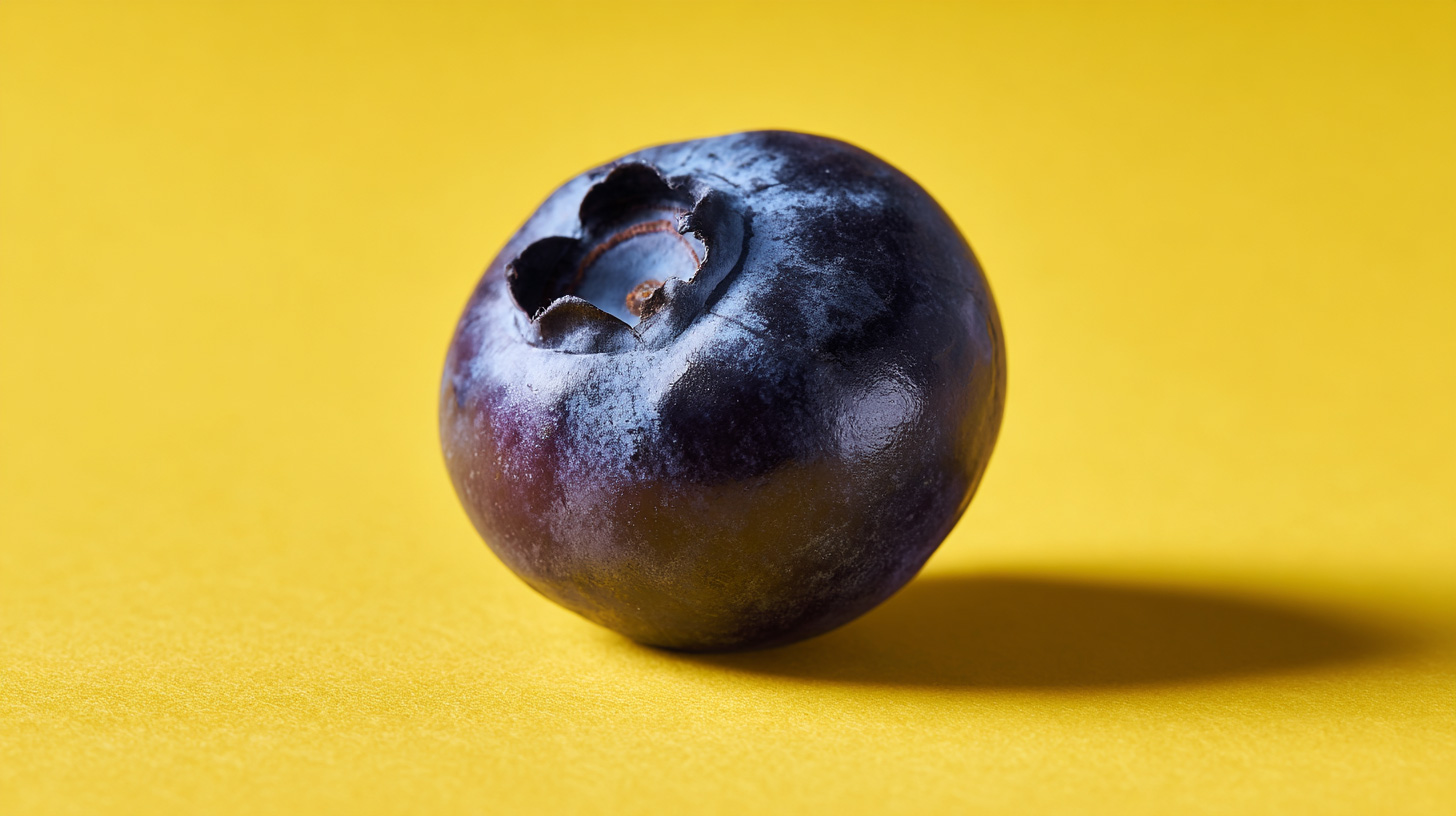
Fruit should look fresh and appetizing. Seek out photos with vibrant, true-to-life colors and good lighting. Natural lighting is often ideal for food shots – it gives fruits a juicy, realistic glow. Avoid pictures where the colors look dull or washed out, as they can make the food seem less appealing. Also be mindful of overly filtered images; while artsy filters can be fun, you generally want the fruit’s natural reds, greens, and yellows to shine through. Bright, well-lit fruit images will instantly liven up your blog page and draw readers in.
Relevant to Your Content
Relevance is key. The image should complement your blog post’s topic or recipe. If your post is about a strawberry smoothie recipe, a photo of strawberries (or that smoothie itself) will reinforce your content. Random fruit pictures that have nothing to do with your text can confuse readers. Match the mood and theme of your post too: a rustic wooden-basket-of-apples image fits a homemade pie article, whereas sleek sliced citrus on a white background might suit a modern detox juice recipe. Think about what story your image tells – it should align with the story your words are telling.
Composition and Focus
Pay attention to the composition of the photo. Great food images often have a clear focal point (e.g. a close-up of the fruit) and a pleasing layout. Look for images that are not overly cluttered – a simple arrangement of fruit against a clean background can have more impact than a busy scene. The angle matters too: top-down shots are popular for food blogs when showing multiple ingredients, while a front close-up can emphasize textures. Make sure the important part of the image (the fruit, the dish) isn’t cropped out or overshadowed. Essentially, choose photos that guide the viewer’s eye and make the fruit the star of the shot.
A basket of fresh apples captured with natural light. High-quality images like this have crisp details, vibrant colors, and an inviting composition that draws the eye. Notice how the apples are the clear focus, and the lighting makes their red color pop against the neutral background. When selecting images for your blog, aim for similarly well-composed photos – ones that make viewers almost taste the fruit through the screen. The goal is to have your readers pause and say “wow!” before they even start reading your text.
Consistent Style and Branding
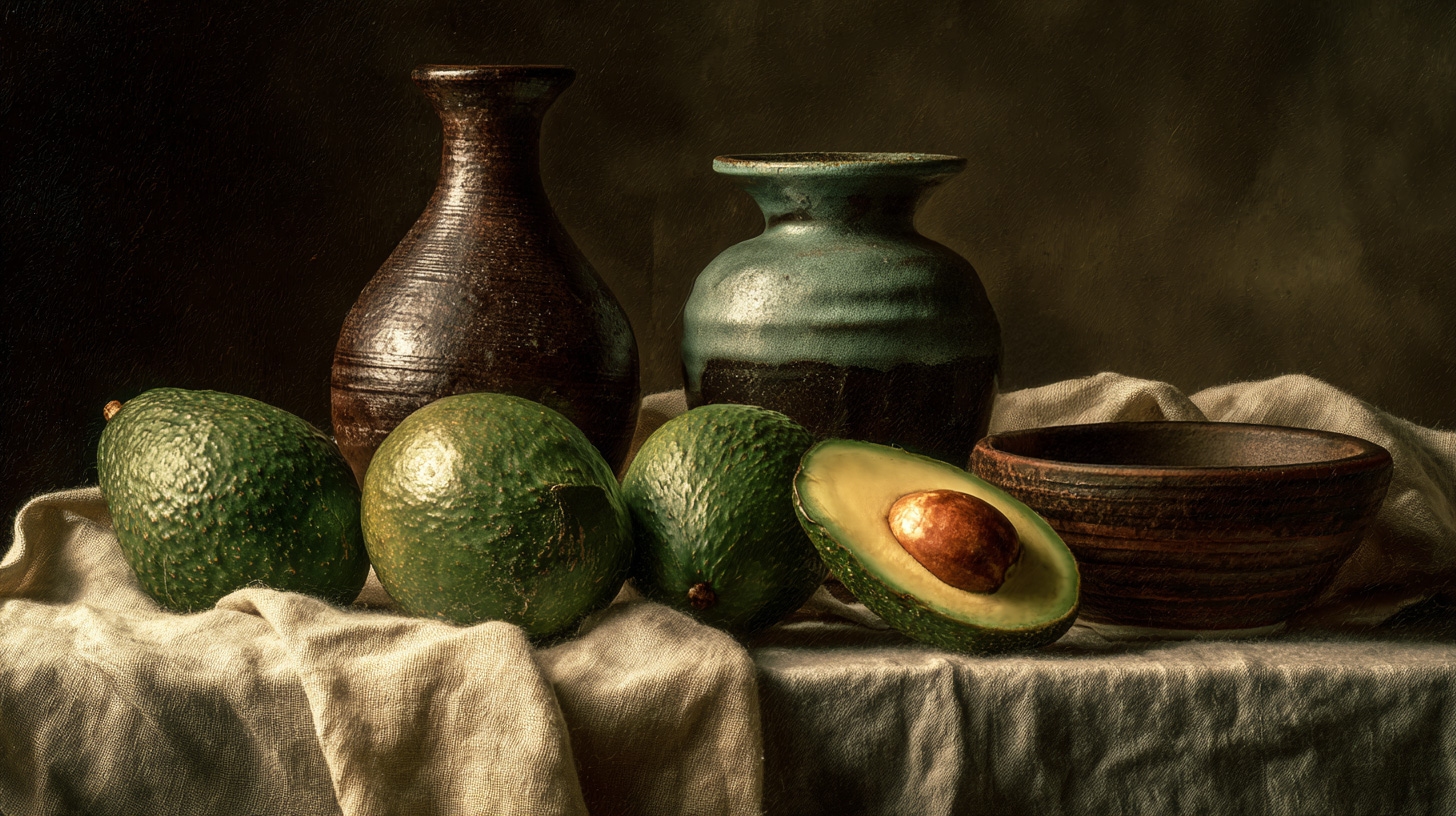
Every food blog has a personality. It might be warm and rustic, bright and fun, or sleek and minimalist. Whatever your style, try to choose fruit images that align with it. Consistency in style (color tones, filters, framing) across your images creates a cohesive look on your blog. For instance, if your blog’s aesthetic is light and airy, stick to photos with lots of natural light and soft backgrounds; if it’s bold and decadent, you might use images with rich colors or dark, moody backdrops. Over time, this consistency becomes part of your brand – readers recognize your posts at a glance on social media or Pinterest because of the familiar look. So, as you browse free images, ask yourself: Does this picture fit the vibe of my site? If not, keep looking – there are plenty of fish in the sea (or fruits in the basket, in this case).
Authenticity and Uniqueness
Free stock images are fantastic, but one downside is that everyone can use them. To make your blog stand out, be a bit choosy and creative:
-
Avoid Overused Cliché Images: Some fruit photos (like that same perfectly arranged tropical fruit salad that appears everywhere) might be too common. If you’ve seen it before on multiple sites, your readers probably have too. Try filtering or digging deeper in the stock site to find less popular, but equally gorgeous, shots.
-
Opt for Real and Relatable: Authenticity resonates. An image of slightly imperfect, real-looking fruit from a farmer’s market might connect better than an overly polished studio shot. Depending on your content, a casual photo of fruit being prepared in a kitchen could feel more genuine than a generic fruit-on-white-background image.
-
Diverse Choices: Don’t always grab the first result. Explore different angles, different fruit varieties, and various contexts. Maybe instead of a standard bunch of bananas, you find a photo of bananas being blended into a smoothie – if that suits your post, it’s a more unique take. This way your visuals feel fresh, not stock-photo stale.
Remember, you want your reader to think “What a great picture!” not “Oh, I’ve seen that photo before.” A little extra time hunting for the right image can make a big difference in uniqueness.
Optimizing and Using Fruit Images on Your Blog
Selecting the perfect image is step one. Step two is making sure it looks great on your site and boosts your SEO rather than slowing you down. Here are some quick tips to optimize your fruit images for the web:
-
Resize and Compress: Huge, high-res photos straight from the stock site can be several MB in size – which can make your blog load slowly. Use an image editing tool to resize the photo to the dimensions you actually need (for example, 1200px width for a full-width blog image). Compress the file if possible (many free online compressors exist) to reduce file size without visibly hurting quality. Faster load times improve user experience and search engine ranking.
-
Choose the Right Format: JPEG is usually best for fruit photography since it handles colors well and keeps file sizes smaller. PNGs are great for graphics or images that need transparency, but for regular photos they often weigh more. Stick to web-friendly formats for efficiency.
-
Use Descriptive File Names: When you save your image, name it something relevant like
fresh-strawberries-bowl.jpginstead of a random string of numbers. This can help with SEO (images can show up in Google image searches) and accessibility. -
Add Alt Text: Always fill in the alt text field when you upload the image to your blog platform. Describe the image briefly, e.g.
"Basket of red apples on a grass field". Alt text is crucial for visually impaired readers using screen readers, and it also helps search engines understand your image. It’s a simple step that can boost your SEO by associating keywords (like “fruit” or “apples”) with your content. -
Place Strategically: Integrate the image into your post at a spot that makes sense – usually near the relevant text. For instance, if you’re describing a fruit, show it around that section. Also, consider putting a compelling fruit image near the top of your post (just after the intro) to hook readers early with visuals. Break up long blocks of text with images to keep the page visually engaging. However, don’t overdo it – every image should serve a purpose or add value.
By optimizing your images, you ensure they not only look amazing but also contribute positively to your blog’s performance and SEO. It’s the perfect blend of beauty and function.
Final Thoughts
Choosing the best free fruit images for your food blog comes down to finding pictures that are relevant, high-quality, and authentic to your style – and using them wisely. With a bit of searching and the tips above, you can make your blog posts as visually delightful as the recipes and stories you’re sharing. Remember: great imagery is an investment in your content’s appeal and credibility.
Now it’s time to put these tips into action. Elevate your food blog with stunning fruit visuals that capture attention and inspire appetite. And if you’re excited to get started, why not explore the delightful collection of free and premium fruit stock images on Fruttee.com? Happy blogging – may your content be as vibrant and sweet as the fruits you feature!
You might also like 10 Creative Ways to Use Fruit Stock Photos in Recipe Posts
Ready to take action?
Explore the vibrant world of free and premium fruit stock images on Fruttee.com.