
Refresh Your Blog with Colorful Seasonal Fruit Images
Ever feel like your blog needs a splash of freshness? One simple way to breathe new life into your content is with seasonal fruit images. Juicy, vibrant photos of in-season fruits don’t just catch the eye – they tap into the mood of the moment. Bright berry photos in summer or warm apple images in autumn instantly signal freshness and can make your posts more engaging. As one source notes, “bright, colorful, and universally appealing, fruit images add freshness and flavor to any food blog”. In other words, the right fruit shot can stop readers in their tracks and draw them into your story. Seasonal visuals also show that your content is up-to-date: updating images to match holidays or seasons keeps your site relevant and can even boost SEO.
Why Seasonal Imagery Matters
Seasonal content naturally aligns with what people care about right now. When your blog features topics or images tied to the current season, search engines and readers take notice. For example, a post about “summer fruit salad recipes” in July will attract more traffic than a generic recipe topic, because it matches what people are searching for. Seasonal content “takes advantage of peak interest periods, giving your blog more visibility and driving more organic traffic”. Using seasonal fruit photos is an easy way to tap into these trends. Swapping in autumn apples and pumpkins for fall posts, or citrus and berries in winter, tells Google (and your readers) that your blog is current and relevant.
Moreover, fresh images signal activity. Search engines favor sites that regularly update their content, including images. A tech article from Tom Crowl explains that “updating images to reflect seasonal themes… keeps your website relevant and can capitalize on seasonal search trends”. In practice, this means swapping out old stock photos for new fruit shots each season can give your SEO a little boost and keep readers coming back for fresh visuals.
Fruit Imagery: Freshness and Engagement
What makes fruit photos so effective? Beyond being beautiful, fruits carry positive associations. Photographers note that “fruits have long been symbols of vitality, beauty, and freshness,” so showing them in your images automatically lends that vibe to your content. A bright photo of juicy strawberries or a ripe mango slice subconsciously tells readers your content is lively and full of flavor. This aligns with how people consume online content: we skim pages and are drawn to visuals. As marketing experts explain, “visuals help break up the text and highlight important takeaways so readers can scan through content and still understand the message”. In practice, that means an image of fruit can turn a wall of text into a scannable, inviting experience.
Fresh fruit photos can stop readers in their tracks. Bright berries or citrus add color and context to a food blog.
Using fruit photos strategically keeps readers on the page. Data shows that visuals significantly boost engagement: articles with images get more attention and social shares. For instance, adding a mouthwatering cherry or mango photo can entice someone scrolling on social media to click through to your article. One guide even notes, “Posts with striking images are far more likely to be saved, shared, and clicked—especially when the visuals are colorful and appetizing.” In short, each fruit photo is another chance to grab and hold a reader’s attention.
To maximize impact, sprinkle fruit images throughout your post. Use them as hero images, section headers, and even Pinterest graphics. You might overlay text on a blurred fruit background or create a collage of seasonal fruits – these visual touches make your content pop while still being on theme. Keep descriptions simple and relevant (e.g. “Fresh summer berries”) and let the vibrant colors do the talking. The goal is a layout where images break the text into digestible chunks, so readers can easily scan and stay interested.
Seasonal Fruit Inspiration
Different fruits shine in each season. Match your images to the calendar for maximum relevance:
-
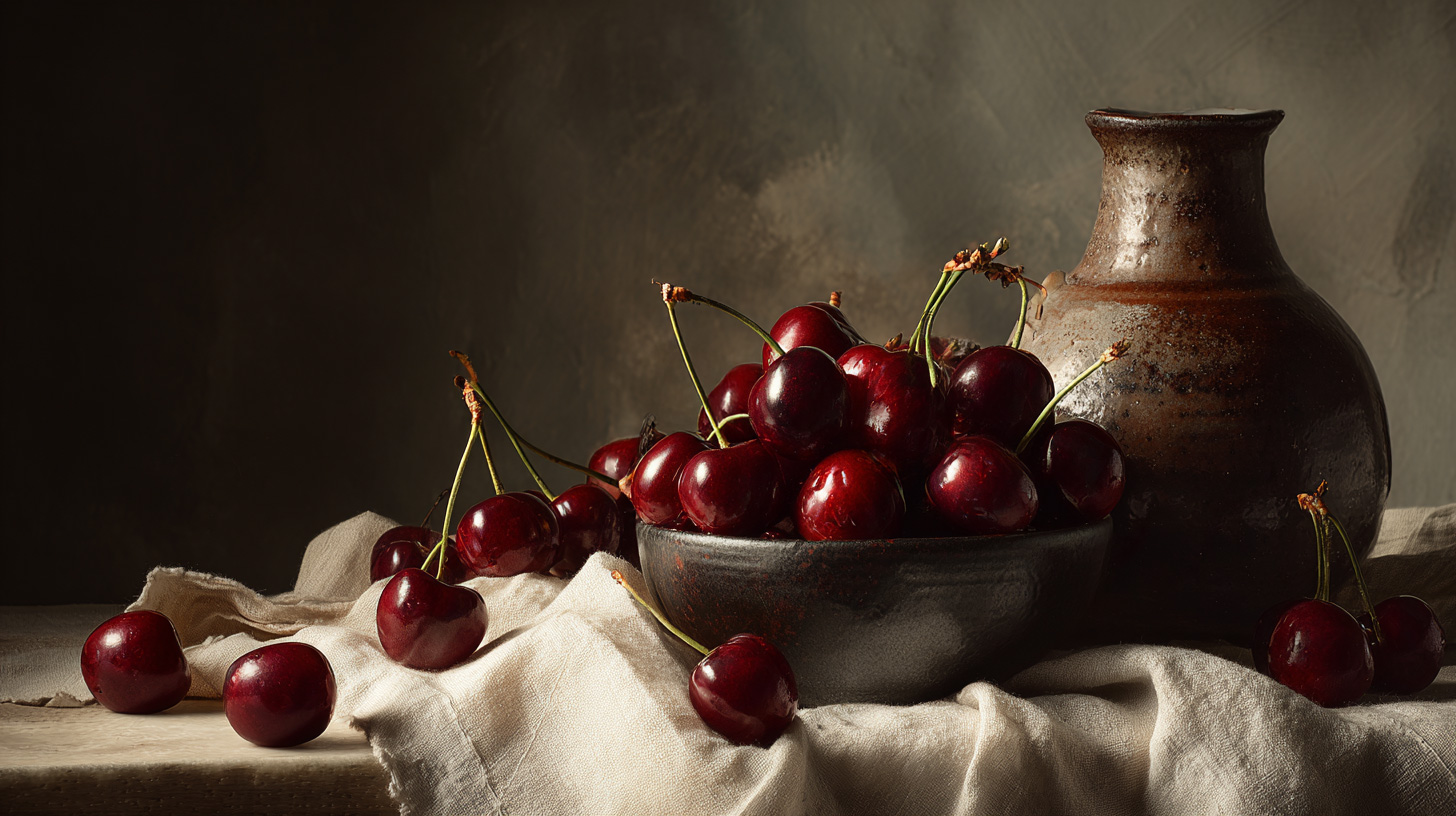
Spring/Summer: Think juicy, refreshing fruits. Strawberries, cherries, blueberries and watermelon bring a bright, energizing feel. Images of lemonade with lemon slices, or a basket of peaches, give a summery vibe.
-
Autumn: Warm, cozy fruits rule fall. Apples, pears, figs, and grapes in rich red, orange and brown tones feel homey. Pumpkin-spice lattes and sliced apples in pies or crisps can also evoke the harvest season.
-
Winter: Use bold, vibrant fruits to brighten cold days. Citrus fruits like oranges, lemons and mandarins, plus pomegranates and kiwis, add color and optimism. Think of holiday tables: cranberries on a wreath or a bowl of clementines – these images feel festive and refreshing.
Following Fruttee’s advice, summer posts “shine with watermelon and berries” while fall posts “feel cozy with apples and pears,” and winter content “comes alive with pomegranates or cranberries”. Feel free to list out a few favorites for each season on your blog to give readers ideas (for instance, bullet lists of “Top 5 Summer Fruits for Recipes” or similar). Keeping imagery in tune with the season makes your posts feel timely and relatable.
SEO and Performance Best Practices
Great images need to load quickly and be understood by search engines. Always optimize your photos: resize and compress files so they don’t slow down your site, and use modern formats (JPEG is usually best for photos). As one expert advises, “ensure [images] are optimized for web performance and SEO. This includes proper sizing, formatting, and alt text.”. That means if you upload a fruit photo, give it a descriptive file name (e.g. summer-strawberries-salad.jpg) and write an alt tag like “ripe red strawberries on a table.” These keywords help Google know what’s in your image and can improve your search rankings (you might even include seasonal keywords or your blog’s focus in the alt text).
In your post, caption images succinctly or weave them into the narrative so context is clear. For example, caption a photo of apples with a short note like “Autumn pears and apples add cozy color to this recipe.” This not only helps with SEO but also makes your content more accessible.
Where to Find High-Quality Fruit Images
You don’t need to own a camera to get gorgeous fruit photos. There are many free and paid stock libraries full of seasonal fruit images. General sites like Unsplash and Pexels have hundreds of fruit pictures you can use without attribution. For specialty fruit collections, check out Fruttee.com. Fruttee offers free downloadable fruit stock photos (optimized in crisp 1K resolution) and even premium 8K versions if you need ultra-high detail. These images are royalty-free and great for blogs. For example, Fruttee categorizes photos by fruit type and theme, making it easy to find a photo of watermelon for summer or pomegranates for winter. You can mix these stock images into your content to keep things fresh.
If you choose other stock sites, make sure to filter for free or properly licensed images. Whatever your source, always double-check the license: even free images often require simple attribution, or have restrictions on commercial use. When in doubt, cite the provider’s guidelines to stay on the safe side.
Wrap-Up and Next Steps
Refreshing your blog with seasonal fruit images is a smart, low-cost strategy to engage readers and improve SEO. It gives your content a burst of color and relevance with minimal effort. As research shows, visuals dramatically increase engagement, and seasonal topics naturally boost traffic.
Ready to make your next post pop? Head over to Fruttee.com – there you can explore hundreds of free fruit stock photos and premium high-res images. Choose vibrant apple, berry, or citrus photos for the season, add them to your blogs, and watch your content feel fresh and inviting. Your readers (and search engines) will thank you for the visual treat!
Explore the colorful world of free and premium fruit stock images on Fruttee.com and give your blog the refresh it deserves.
You might also like How to Optimize Fruit Stock Photos for Faster Blog Loading
Ready to take action?
Explore the vibrant world of free and premium fruit stock images on Fruttee.com.