Using Fruit Photography in Facebook Ads: Best Practices
Using Fruit Photography in Facebook Ads: Best Practices
Imagine scrolling through your Facebook feed and spotting an ad with a bowl of bright, fresh fruit – it’s almost impossible not to stop and look. Vivid, colorful fruit images naturally grab attention. By harnessing this eye-catching power, businesses can make their Facebook ads more engaging and appetizing. In this article, we’ll dive into why fruit photography works so well in ads and share practical tips to create compelling fruit-centric Facebook creatives that drive clicks and conversions.
Why Fruit Images Work for Facebook Ads
Fruit photos stand out because they’re colorful, vibrant, and positive. A juicy strawberry or citrus salad conveys health, freshness, and energy, which can spark positive emotions in viewers. Bright, multi-colored fruit images draw the eye more than dull tones. These images also often fill the frame with interesting details and textures, leaving little empty space – a proven way to boost engagement.
Moreover, fruit images usually don’t include faces, which keeps the focus entirely on the product. A pure fruit shot doesn’t distract with expressions – it highlights freshness and creativity. Finally, fruit imagery aligns with healthy, happy lifestyles. A bright fruit shot naturally signals positivity, making users more likely to like, share, or click the ad.
Choosing High-Quality Fruit Photos
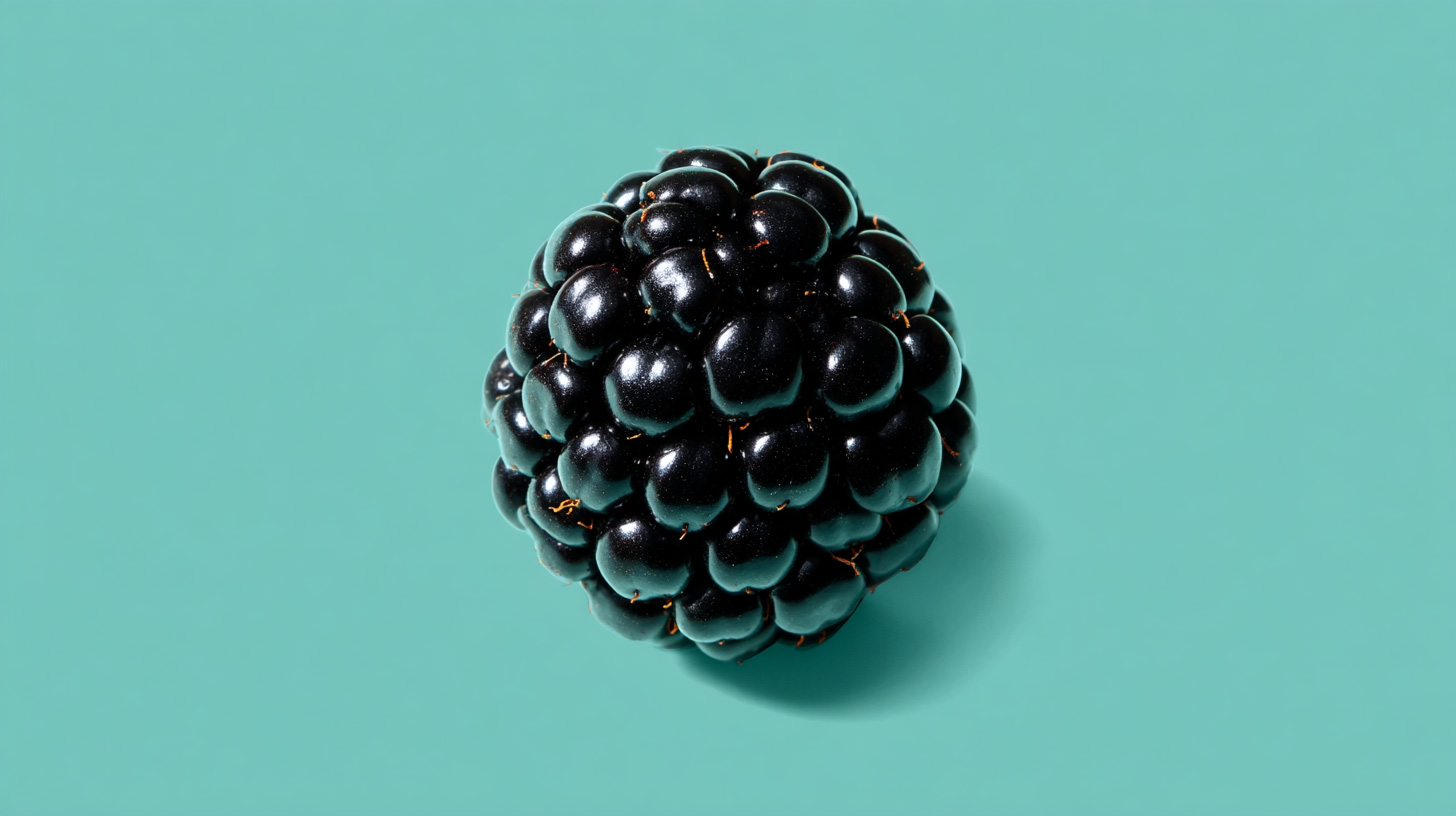
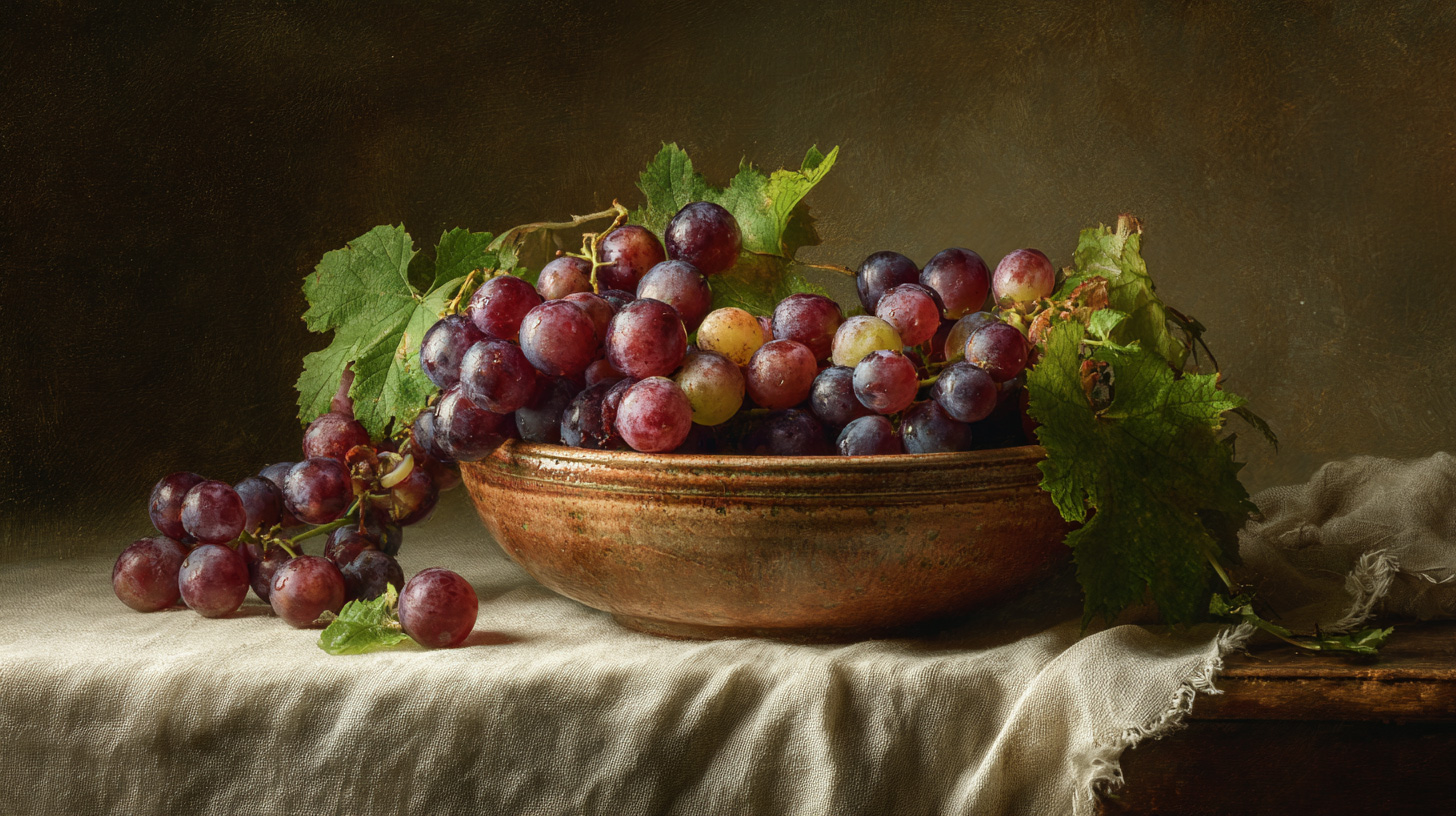
Not all fruit photos are created equal. To make an ad truly appetizing, start with fresh, flawless produce. Always pick the best-looking fruits you can find – avoid bruises or wilting pieces. Freshness shows in photos: even a single water droplet on grapes or the fuzz on a peach makes an image more mouthwatering. If you’re sourcing images, look for high-resolution, sharp photos where textures and colors pop. Blurry or low-light images simply won’t stand out.
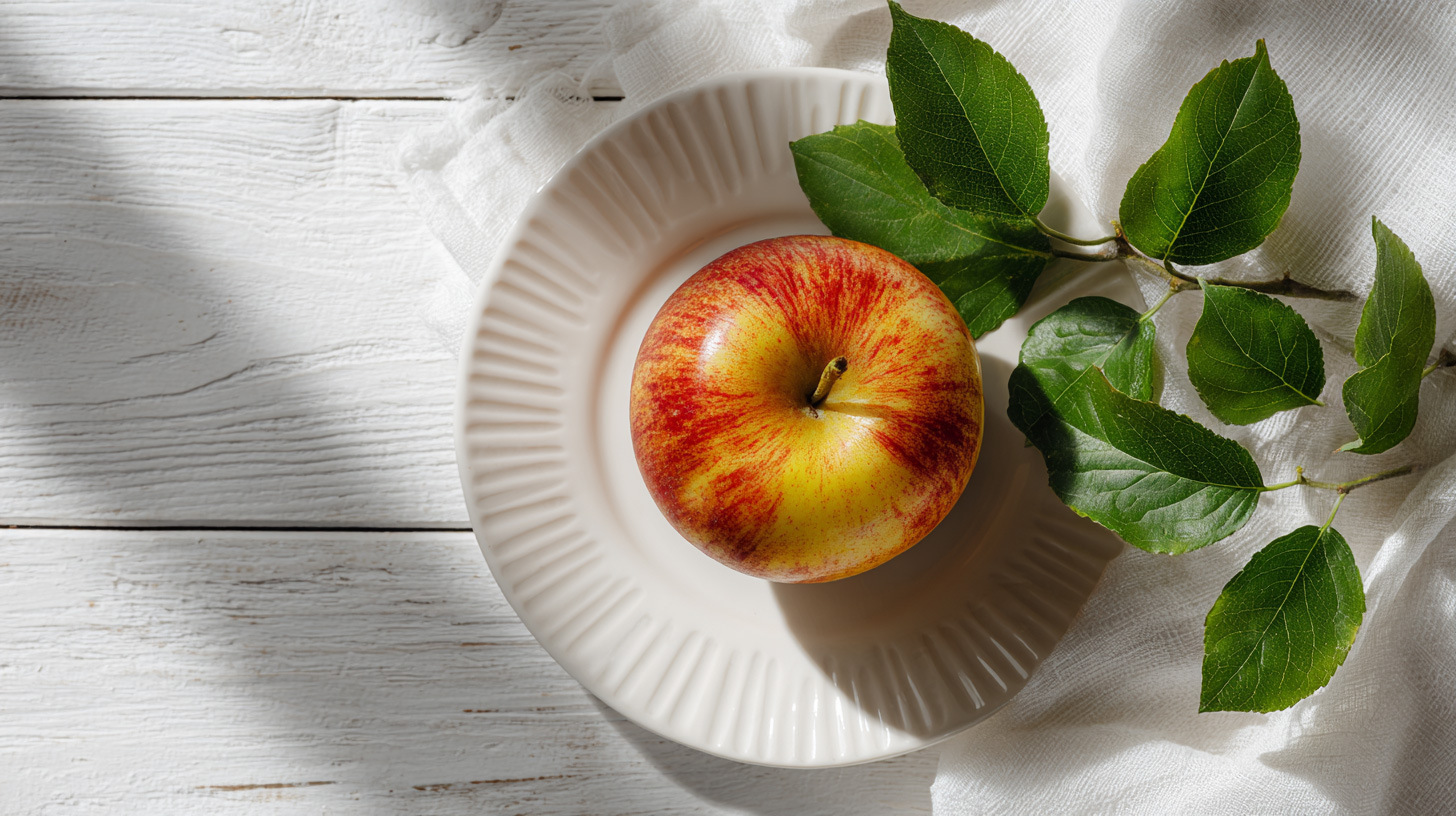
The arrangement of fruits matters too. Place fruits thoughtfully in the frame – each item should have its own space and look intentional. For example, a flat lay of mixed berries or neatly stacked citrus wedges creates visual interest. Try not to center every object; off-center compositions (using the rule of thirds) tend to feel more dynamic. Finally, choose backgrounds that complement – avoid busy or overly bright backdrops. A simple wooden table, marble slab, or blurred kitchen setting keeps all eyes on the fruit. Clean, subtle backgrounds help your fruit remain the star of the shot.
Designing Your Facebook Ad with Fruit Images
Once you have great fruit photography, follow these design tips to make it shine in an ad:
-
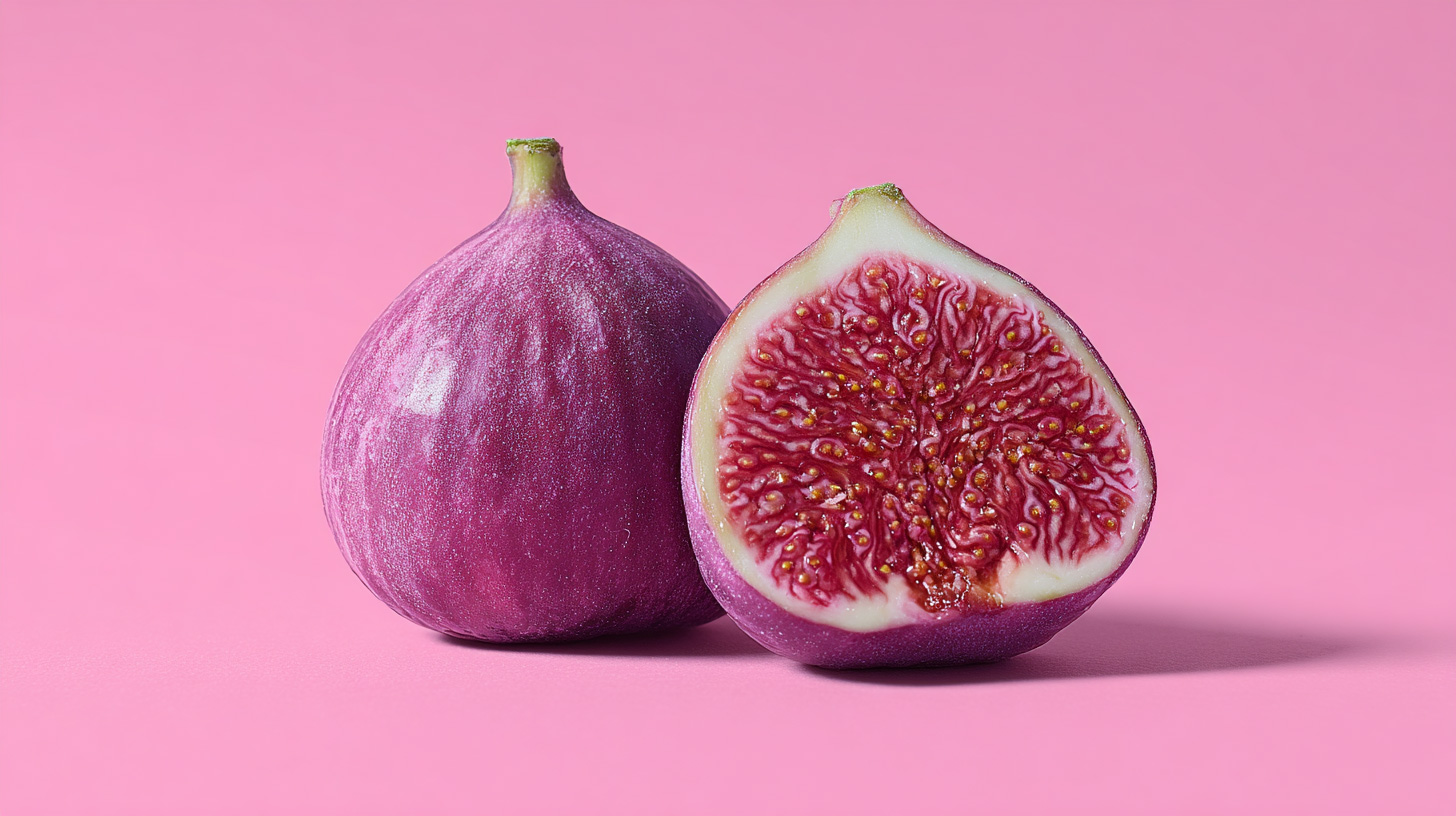
Mix Colors and Contrast. Combine different fruits or backgrounds for pop. For instance, red strawberries on a white plate or yellow lemons on a blue napkin create high contrast. Using two or three dominant colors per image makes the scene pop and grab the eye.
-
Fill the Frame. Minimize empty space. Fruity fills (like a full bowl of fruit or a close-up of sliced fruit) keep viewers’ focus on your message. Images packed with detail tend to engage more than those with lots of blank background.
-
Use Good Lighting. Natural light often makes fruits look freshest. Shoot or choose photos with soft, even lighting so colors stay true. Avoid harsh shadows that hide texture. Well-lit fruit looks juicy and appetizing.
-
Keep Text Minimal. Avoid covering up your fruit image with large text. Any overlay or caption text should be concise and legible – think a short tagline or keyword that adds context, not blocks the view. If you do add text (like a sale offer), make it subtle. The fruit should remain the visual hook.
-
Stay On-Brand. Match the photo’s style to your brand colors and vibe. If your brand is sleek and modern, use clean compositions; if it’s rustic and cozy, a farmhouse-styled fruit shot may fit. Using similar color palettes to your logo or website creates a cohesive look.
By combining these design strategies with mouth-watering fruit photos, your ads will look polished and professional. For example, a vibrant berry background with a small overlay reading “Summer Smoothie Sale” can be both eye-catching and clear.
Facebook-Specific Guidelines
Facebook has a few technical guidelines to follow:
-
Use the Right Format and Size. For feed ads, square (1:1) or vertical (4:5) images often perform best. A minimum of 1080×1080 pixels is recommended for square ads. Larger, high-resolution images let your fruit detail shine and avoid pixelation.
-
High Resolution is Key. A blurry or tiny image looks unprofessional. A high-res fruit image builds credibility – it makes your brand seem more premium and trustworthy. Plus, bigger images fit more detail, telling a richer story.
-
Optimize for Mobile. Over 80% of Facebook users are on mobile. That means your fruit ad should look great on a small screen. Avoid tiny text and ensure the fruit is clearly visible even on a phone. Square and slightly vertical formats cover more screen space on mobile, giving your colorful fruits maximum impact.
-
A/B Test Your Images. Don’t rely on guesswork. Try running a few ad variations with different fruit images (e.g. one with apples, one with berries) to see which performs best. Testing helps you learn what your audience loves most. Sometimes even small changes – like close-up vs. overhead shot – can influence clicks.
Remember: Facebook rewards relevance. Use images that fit your target audience’s interests. If you’re selling tropical juices, a beachy pineapple photo might work best; if it’s a smoothie shop, a close-up of blended berries could lure health-conscious customers.
Seasonal and Contextual Themes
Aligning your fruit photography with seasons and trends makes ads feel timely. For summer, use watermelon, mangoes, or citrus. In fall, highlight apples and pumpkins; in winter, oranges and pomegranates shine. Facebook users are more likely to engage with ads that match what they’re thinking about, like a pumpkin smoothie in autumn.
Also, show how the fruit is used. A bowl of fresh berries is appealing, but a hand holding a strawberry shortcake or pouring berry jam can add context. Imagery that tells a story or shows real-life use can tap into emotions. For example, a family enjoying a fruit salad or a chef preparing a smoothie makes viewers imagine enjoying the product themselves. Authentic, relatable scenes tend to perform better. The goal is to make the audience feel a connection: “I want that fresh smoothie too!”
Conclusion: Make Your Ads Juicy and Click-Worthy
Fruit photography can transform a boring ad into a scroll-stopping visual feast. By choosing fresh, vibrant images, designing clean and colorful layouts, and following Facebook’s guidelines, you’ll create ads that appeal to the eyes and to the appetite. Remember to keep compositions simple, colors bold, and branding consistent. Test different fruits and formats to see what engages your audience most, and refine your approach based on results.
With the right images and strategy, your Facebook ads will not only look good – they’ll drive real results. Ready to give your ads a tasty boost? Check out Fruttee.com for a vast library of free and premium fruit stock photos. Whether you need crisp apple close-ups or tropical mango shots, Fruttee has the perfect photos to make your next ad as refreshing as a summer smoothie. Explore Fruttee’s collection and start crafting irresistibly juicy Facebook ads today!
You might also like Top 10 Fruit Images for Smoothie Brand Social Media Posts
Ready to take action?
Explore the vibrant world of free and premium fruit stock images on Fruttee.com.