

How to Incorporate Fruit into a Balanced Diet
How to Incorporate Fruit into a Balanced Diet
Imagine biting into a crisp, juicy apple or savoring a spoonful of sweet berries. Adding more fruit to your meals isn’t just delicious – it’s one of the easiest ways to boost your health. Fruits are packed with vitamins, minerals and fiber while being naturally low in calories and fat. By making simple swaps and creative additions, you can enjoy nature’s candy every day and keep your diet balanced and nutritious.
Why Fruit Belongs in a Balanced Diet
Fruits belong to one of the major food groups in a balanced diet. Health authorities recommend filling at least half your plate with fruits and vegetables at each meal. In fact, many guidelines suggest aiming for 5 servings (or more) of fruits and veggies every day. Studies show people who eat plenty of fruit (and vegetables) have a lower risk of heart disease, stroke and some cancers. Here are a few big benefits of healthy fruit intake:
-
Packed with nutrients: Fruits are rich sources of key vitamins and minerals. For example, citrus fruits and berries provide vitamin C for immunity, bananas and dried fruits offer potassium for healthy blood pressure, and green fruits like kiwis deliver vitamin K and B-vitamins.
-
High in fiber: Whole fruits contain soluble and insoluble fiber, which supports digestion and helps you feel full. Fiber can lower cholesterol and keep your blood sugar steady. Swapping high-fat snacks for fruit can keep your calorie intake down while still feeling satisfied.
-
Low in fat and calories: Most fruits have virtually no fat and a moderate calorie count, yet they offer natural sweetness. They make an ideal healthy dessert or snack to curb cravings for sweets. Eating fruit instead of sugary treats can lower overall calorie intake and help manage weight over time.
-
Disease prevention: Fruits are loaded with antioxidants and plant compounds that protect cells. Regularly eating a rainbow of fruits may help ward off chronic illnesses. Research links higher fruit intake with a reduced risk of diabetes and even certain types of cancer later in life.
Together, these nutrients and benefits make fruit an essential component of a balanced diet. By including a variety of fruit each day – different colors and types – you’ll maximize the range of nutrients you get.
Daily Fruit Recommendations
So how much fruit should you eat each day? Health guidelines typically advise about 2 cups of fruit daily for an average adult. In practical terms, that’s roughly 2–3 servings of fruit each day. One serving is about one medium piece of fruit (like an apple or banana) or a cup of berries, melon cubes, or chopped fruit. Children and those with higher calorie needs (like active teens or athletes) may aim a bit higher – up to 2½ cups. Everyone’s ideal amount depends on age, sex and activity level.
A key tip: aim to eat whole fruits rather than relying on fruit juices. Whole fruits deliver fiber and take longer to eat, which helps digestion and satiety. At least half of your daily fruit should be whole fruit, not juice. A small glass of 100% fruit juice (about 150ml) can count as one serving, but because juice is high in sugar and low in fiber, limit it to one glass per day. Instead of juice, reach for an orange, handful of grapes or a bowl of chopped fruit. This helps you enjoy the sweetness plus the satisfying chew and nutrients of the fruit itself.
Nutrients Fruits Provide
Fruits bring a wide spectrum of nutrients to your diet. Here are some key nutrients commonly found in fruits and why they matter:
-
Dietary Fiber: Found in apples, pears, berries, and more. Fiber feeds good gut bacteria, helps digestion, and keeps you feeling full longer (so you end up eating less overall). It also helps lower “bad” LDL cholesterol.
-
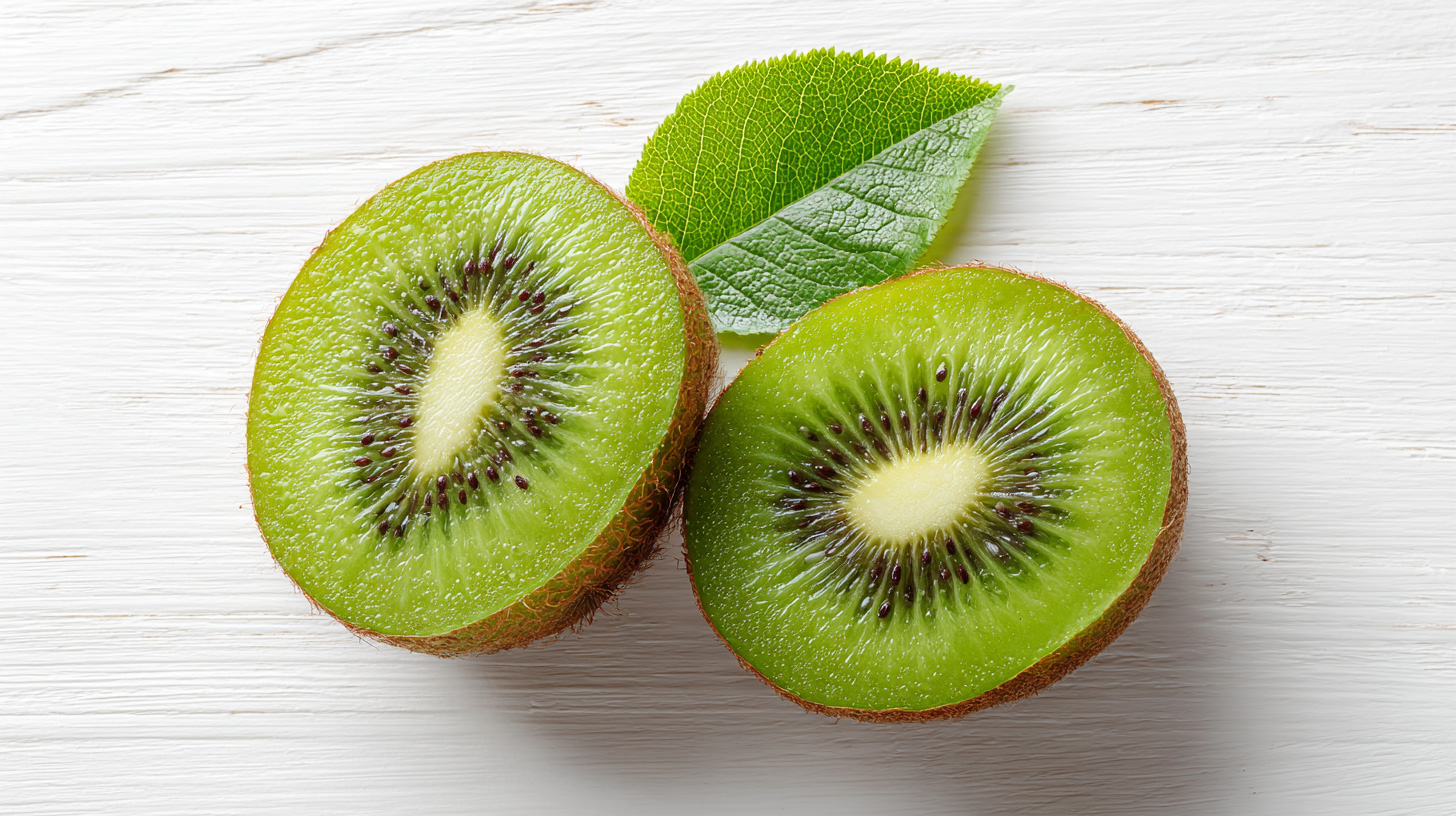
Vitamin C: Citrus fruits, strawberries, pineapples and kiwi are excellent sources. Vitamin C is important for a strong immune system, healthy skin, wound healing and helping your body absorb iron from plant foods.
-
Potassium: Bananas, oranges, apricots, and melon varieties like watermelon and cantaloupe deliver potassium. This mineral supports healthy blood pressure and proper nerve function. Adults often don’t get enough potassium, so fruit is an easy way to top up.
-
Antioxidants and phytonutrients: Berries (blueberries, raspberries), cherries, plums, grapes and many others are rich in plant antioxidants. These compounds protect cells from damage, fight inflammation, and may reduce the risk of chronic diseases.
-
Vitamins A & Folate: Some fruits (like mangoes, papayas and cantaloupe) provide vitamin A (as beta-carotene) for vision and skin health. Others like citrus and berries can be good sources of folate, which is vital for cell growth and metabolism.
By eating a variety of fruits (different colors and types), you ensure a broad mix of these nutrients. No single fruit has everything, but together they cover a lot of bases.
Creative Ways to Add Fruit to Your Diet
Looking to add more fruit to your day? Here are some easy, actionable tips and swaps. You don’t have to overhaul your diet – small changes can make a big difference:
-
Colorful Breakfast Boost: Start with fruit in the morning. Top your cereal, oatmeal or yogurt with fresh or frozen berries, banana slices, chopped apple, or dried fruit like raisins. Blend a smoothie using banana, berries, mango or peaches (and even toss in some spinach or carrot for extra nutrition). Even mixing fruit into pancakes or waffles adds flavor and fiber.
-
Smart Snacking: Use fruit as a go-to snack. Instead of chips or cookies, grab an apple, a pear, a handful of grapes or a few dried apricots. Keep sliced fruit like watermelon, cantaloupe or pineapple in clear containers in the fridge so it’s handy. You can also freeze grapes or banana slices for a cool treat. A small trail mix of dried fruits (with nuts) makes a portable, long-lasting snack (just watch portions, as dried fruit is concentrated).
-
Pair with Protein: Combining fruit with a bit of protein or healthy fat makes a satisfying mini-meal. For example, spread nut butter on apple or banana slices, or eat berries with Greek yogurt. Put orange segments or pomegranate seeds into cottage cheese or a salad. This slows sugar absorption and keeps you fuller.
-
Salads and Salsas: Throw fruit into savory dishes for sweetness and crunch. Toss berries, diced peaches, apple chunks or mandarin oranges into green salads. Top grilled chicken or fish with salsa made from mango or pineapple and tomatoes. Even a salad with grilled chicken, berries and a sprinkle of feta can become a delightful meal.
-
Healthy Desserts: Enjoy fruit in place of sugary desserts. A bowl of fresh fruit salad is naturally sweet and can be dressed up with a dollop of low-fat yogurt or a sprinkle of cinnamon. Grill pineapple rings or peaches and serve with a bit of honey drizzled on top. Make “nice cream” by blending frozen bananas into ice cream consistency.
-
Keep Fruit Visible: At home or work, keep washed fruit out where you can see it – in a fruit bowl on the counter or pre-cut in containers in the fridge. If it’s right in front of you, you’re more likely to grab it when hungry.
Each of these ideas lets you sneak more fruit into your diet without feeling forced. You can mix and match – for example, adding some fruit to breakfast and lunch, and snacking on fruit in the afternoon.
Whole Fruit vs Juice: Making Smart Choices
When filling your fruit quota, remember that whole fruits are best. Whole or cut-up fruits contain fiber and require chewing, which slows down the eating process and helps you feel satisfied. Juice and smoothies (even homemade ones) deliver vitamins but lack fiber and can be high in natural sugars. If you do enjoy juice, choose 100% fruit juice and keep it to a small glass (about 150 ml) per day. The rest of your fruit servings should come from the actual fruit.
For example, instead of drinking a glass of orange juice in the morning, you could eat a whole orange and an apple. This swap gives you more fiber and the benefit of chewing. Likewise, if you make smoothies, include whole fruits (and veggies!) and add protein (like yogurt or nut butter) to balance the meal. By focusing on whole and fresh fruits, you get more nutrition and do your teeth a favor (juice can harm enamel if sipped too often).
Seasonal Variety and Color
To keep your diet balanced and exciting, eat a rainbow of fruit. Different colors often mean different nutrients. In summer, enjoy juicy strawberries, peaches, and watermelons, which are hydrating and rich in vitamins. In fall, try apples, pears, or pomegranates. Citrus like oranges, grapefruit and mandarins shine in winter with loads of vitamin C. Tropical fruits like mango, pineapple and kiwi can add zest any time of year. Choosing seasonal fruit not only tastes better but can be more affordable and nutrient-rich.
Don’t forget: variety is key. Mixing up your fruit choices week to week prevents boredom and covers more nutritional ground. Whether it’s berries for breakfast, an orange as a snack, or grilled peaches as dessert, seasonal fruit keeps every meal fresh and balanced.
Final Thoughts
Adding more fruit to your meals is a simple, delicious way to support your health. These bright, flavorful foods make your diet more balanced by providing fiber, vitamins and antioxidants without extra calories or fat. Start small – swap one snack for fruit today, or add a new fruit to your breakfast. Over time, these habits become second nature and can lead to better energy, digestion, and long-term well-being.
Ready to get inspired? Check out Fruttee.com’s vibrant fruit photo collection – free and premium stock images of all kinds of fruit that can spark ideas for your healthy recipes or content. Embrace color, flavor and health in every bite, and let the beauty of fruit inspire you to live and eat your best!
You might also like The Avocado: The Good Fruit for Heart and Skin
Ready to take action?
Explore the vibrant world of free and premium fruit stock images on Fruttee.com.