
Brighten Your Feed with a Fruity Instagram Theme!
Brighten Your Feed with a Fruity Instagram Theme!
Imagine scrolling through your Instagram and landing on a burst of color – vibrant strawberries, juicy lemons, and tropical mangoes that pop right off the screen. A fruity Instagram theme does exactly that. It turns everyday posts into a mouthwatering, colorful gallery that immediately grabs attention. Using bright, high-quality fruit photos can make your feed feel fresh, healthy, and irresistible – whether you’re a food blogger, a health brand, or anyone who loves lively, cohesive visuals.
Why Choose a Fruit Theme for Instagram?
A fruit-centric aesthetic isn’t just trendy; it’s downright delicious for the eyes. Here’s why:
-
Vibrant, Eye-Catching Colors: Fruits come in every hue of the rainbow. Reds of strawberries, oranges of citrus, and greens of kiwi instantly add warmth and energy. A consistent palette (like pastel peaches or tropical hues) creates a signature look that followers remember.
-
Universal Appeal: Who can resist a beautiful fruit photo? These images speak across cultures and ages. They signal freshness and health, making viewers stop and scroll through your content.
-
Seasonal Variety: Fruits let you play with seasons. Think bright berries in summer, cozy apples in fall, and festive cranberries in winter. Seasonal fruits keep your feed timely and relatable.
-
Brand Personality: A fruit theme says your brand is fresh, vibrant, and fun. Whether you add playful elements (like fruit emojis or hand-drawn fruit doodles) or keep it sleek and minimal, fruit imagery sends a clear, positive vibe.
By focusing on a fruit-inspired aesthetic, you’re telling a cohesive story: your account is well-curated, creative, and full of life. This not only attracts followers but keeps them coming back for more!
Step 1: Define Your Color Palette and Style
Consistency is key to any Instagram theme. Start by defining the colors and style you want.
-
Pick a Color Scheme: Look at the fruits you love most. Are you drawn to bright citrus yellows and greens? Juicy pinks and reds? Decide on 2–3 main colors (plus neutrals) and build your palette around them. For example, a citrus palette might be lime green, sunny yellow, and white; a berry palette might use deep purples, vibrant pinks, and cream. This way, every image — even from different sources — feels like it belongs together.
-
Create a Moodboard: Before posting, collect inspirational images. Use Pinterest or Instagram’s Saved folder to pin fruit photos, colorful backgrounds, and styling ideas that fit your vibe. This visual reference will guide your selections.
-
Choose Your Content Types: Will your theme be all photos, or a mix of photos and graphics? Maybe you want 3 photos, then a quote on a fruit background, then a product shot, etc. Decide the ratio now so the variety doesn’t feel random.
-
Plan With Apps: Use planning tools like Later or Planoly to preview how posts look side by side. Upload potential images to see how they align with your color scheme and each other. Aim to plan 9–15 posts ahead so you can tweak colors or mix before anything goes live.
Keeping this style guide at hand ensures every new photo, caption graphic, or video slide keeps your brand’s fruit-inspired personality front and center. It makes the seemingly effortless, carefully planned.
Step 2: Source High-Quality Fruit Stock Photos
Now for the delicious part – gathering images! Rather than scrambling for random shots, use fruit stock photos to maintain quality and consistency.
-
Use Free and Premium Libraries: Websites like Fruttee.com specialize in free and premium fruit images. There you can find close-ups of ripe berries, tropical arrangements, and neat flat-lays of citrus. Quality matters, so pick high-resolution images that look crisp on mobile screens.
-
Ensure Variety: Stock sites often tag images by fruit, color, or mood. Find a range: some overhead flat-lays (e.g. cut watermelon on a pastel surface), some close-up shots (like a dew-covered grape or a sliced mango with vibrant flesh), and even some lifestyle shots (hands holding a smoothie with fruit garnish). This mix keeps your grid dynamic.
-
Check Licensing: Stick to legally free images or those you’ve paid for. Free sites (Unsplash, Pexels, Fruttee, etc.) allow commercial use. Paid “premium” images often come with extended usage rights. This avoids any copyright headaches and lets you use these photos anywhere (Instagram, website, ads).
-
Customize for Uniqueness: Once you download a stock photo, edit it to match your brand. Apply the same filter or color correction across images. You can also crop images to highlight a certain part (maybe zoom in on a pineapple texture or a lemon slice). Another trick: add a light overlay or your brand logo somewhere consistent. This way, even stock photos feel uniquely yours.
Using stock saves so much time (no need for full photoshoots), but still lets you create a polished, on-theme feed. With thousands of fruit photos out there, you have plenty to play with!
Step 3: Composition and Editing Tips
Great fruit photos can still be improved with smart composition and edits. Keep these ideas in mind:
-
Rule of Thirds & Layout: Imagine your photo divided into thirds horizontally and vertically. Place the fruit focal point at one of these intersections for a pleasing balance. For example, position a kiwi at the lower-right third, leaving negative space on the upper-left with a solid color background. This draws the eye naturally.
-
Balance Busy and Calm: Mix “busy” images (lots of fruit or patterns) with simple ones. For instance, one post might be a flat-lay of a fruit salad (busy), and the next could be just a single orange slice on a white background (calm). Alternating helps the eye rest and prevents your grid from feeling cluttered. Negative space (clear background) is a designer’s best friend.
-
Vary Angles: Use overhead shots (flat lay) for a friendly, organized feel – perfect for showing multiple fruits. Use angled or side shots (45° or macro) for texture and depth, like getting up close on an avocado’s surface or a cluster of grapes.
-
Consistent Filters and Adjustments: Pick one photo filter or editing preset and use it on all images. Maybe you boost brightness +20% and add +10 saturation, or use a warm filter that enhances reds and yellows. The goal: every pic should look like part of one collection. Minor tweaks like slightly raising contrast or unifying the white balance can make different photos look like they were shot together.
-
Include Contextual Props: Even in stock photos, props can add interest. Wooden cutting boards, colorful plates, leaves, or even a hand holding the fruit can make it more human. Just ensure the prop colors fit your palette – a blue napkin might break a warm-red theme, for example.
-
Keep It High Quality: Always choose the largest image file you can. Instagram compresses automatically, but you want the clearest file to start. Blurry or pixelated pics will ruin the vibe.
By minding layout and editing, each new post reinforces your fruit theme. Followers will notice the consistent style before they even read the caption – that’s a win!
Step 4: Plan Your Feed and Posting Schedule
An Instagram theme shines through planning. A few tips to keep on track:
-
Schedule in Advance: Use tools like Later, Planoly, or Buffer. They let you upload your images in order, write captions, and see how the grid flows. Commit to a rhythm (like 3 posts per week) so your feed fills out evenly.
-
Alternate Post Types: If you mix photos and graphics (like quotes on fruit backgrounds or short reels), decide the pattern. For example, every 4th post could be a text graphic (e.g., “Fruit Fact Friday”), while others are photos. This variety keeps the grid interesting while still matching your theme.
-
Use an Editorial Calendar: Note any holidays or seasonal events to leverage: National Strawberry Day? A snowy scene with cranberries in winter? Plan these ahead so you have the perfect fruit image queued up.
-
Preview and Adjust: Before hitting “Post,” look at your grid preview. If one color is overpowering a section, you might swap in a more neutral image next. Or if two red-heavy photos would sit side-by-side, shuffle one with a lighter-toned post to balance.
-
Consistent Captions & CTAs: While images do most of the heavy lifting, keep captions on-brand too. Use a friendly, enthusiastic tone. End some posts with calls to action: “Which fruit flavor should we feature next? Comment below!” or “Tag a friend who loves summer berries!”. This boosts engagement and ties the theme into conversation.
Planning ahead not only saves you daily stress, but it ensures your overall feed looks thoughtfully designed. When someone lands on your page, every thumbnail should tease the next part of the rainbow.
Fruity Content Ideas to Engage Your Audience
Beyond just pretty pictures, think about content around your fruit theme to delight followers:
-
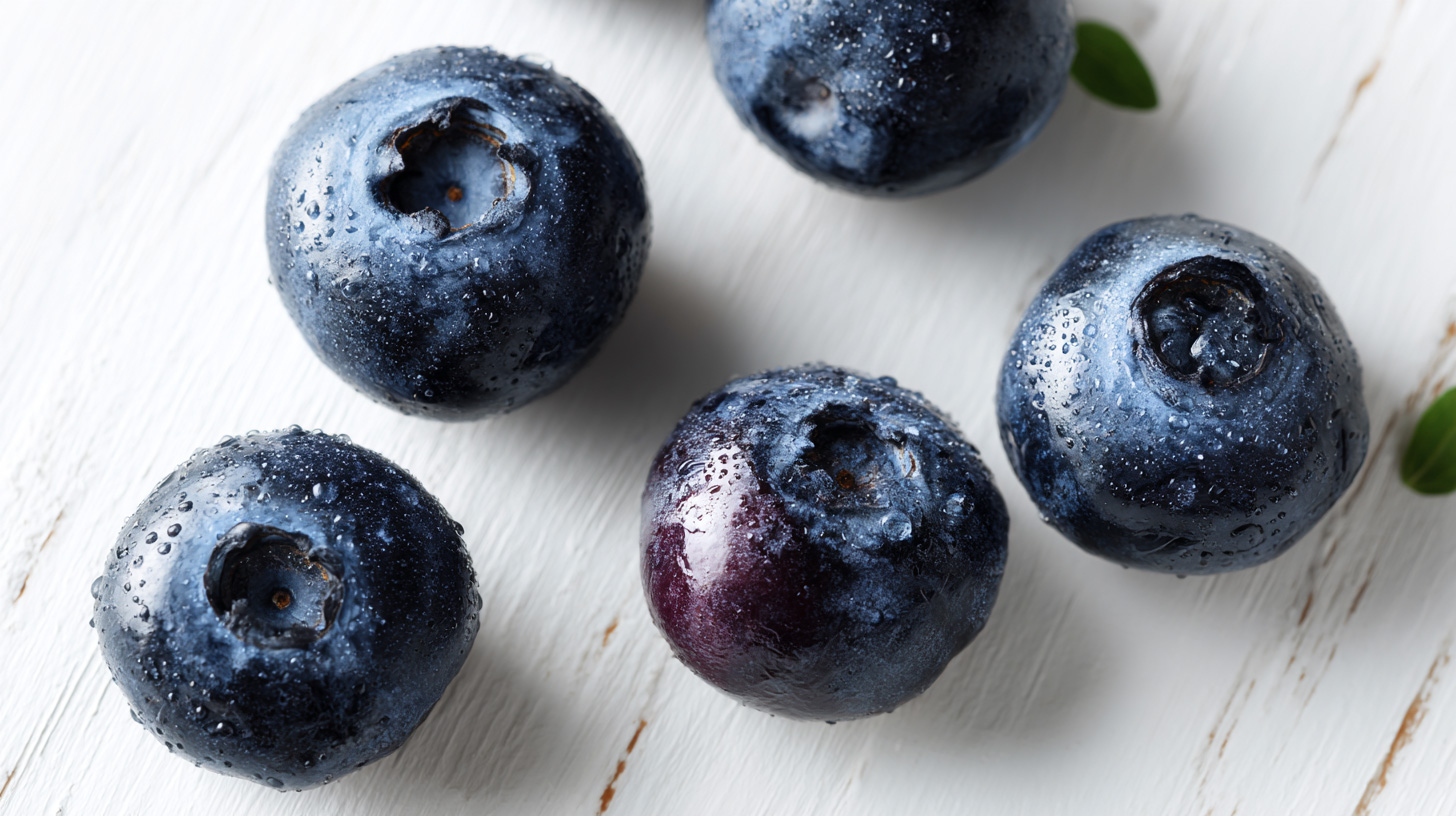
Fruit Facts and Tips: Post a bright berry photo with a quick nutrition fact in the caption. Example: “Blueberries are packed with antioxidants!” These bite-size tips add value and give viewers a reason to save or share your post.
-
Recipes or DIYs: Showcase smoothie bowls, fruit salads, or refreshing drinks. Even if it’s just stock images, you can overlay simple recipes or instructions in the caption. People love easy food ideas, and visuals of ingredients blend perfectly with the theme.
-
Behind-the-Scenes: Take a peek behind the curtain (even if imagined). Stock lifestyle images of someone cutting fruit or grocery shopping can be paired with personal stories or brand anecdotes. This humanizes your feed.
-
Fruit of the Week/Month Series: Pick one fruit to highlight regularly. Create a mini-series on Instagram Stories or Reels about that fruit (e.g. health benefits of pineapples in April). Consistent series give followers something to look forward to.
-
Color-Themed Posts: Challenge yourself with monochromatic posts. For example, “All green” day featuring kiwi, mint, and avocado pics. Or a pastel collage of peaches and light backgrounds. These cohesive bursts show creativity.
-
Interactive Stories: Use Instagram Stories with polls or quizzes – “Which fruit flavor do you love more, strawberry or mango?” The visuals can match your feed’s fruit style for consistency.
Whatever you post, keep the fruit imagery front and center so the theme never fades. With each creative idea, you reinforce that bright, fresh feeling.
Keep It Fresh and Consistent
Finally, monitor how your theme performs and be willing to tweak. Check engagement: do bright orange posts get more likes? Maybe your audience loves citrus vibes. Listen to their preferences.
Stay on-brand but don’t be afraid to experiment within your style. Maybe one week you add a pastel filter, or you try a grid where every 3rd post is a solid-color block (like a peachy background with text). Such variations can keep followers excited.
Above all, have fun with it! A fruity Instagram theme is playful by nature. Let your personality shine through captions and creative choices. The more genuinely you embrace the theme, the more your audience will too.
End your followers’ scroll on a sweet note and yours with just as much flavor. 🍉🍓🍋
Ready to juice up your Instagram? Explore a colorful library of free and premium fruit stock images on Fruttee.com and start creating your dream fruit-themed feed today!
You might also like Fresh & Free Fruit Images for Instagram Aesthetics
Ready to take action?
Explore the vibrant world of free and premium fruit stock images on Fruttee.com.