Best Fruit Stock Image Ideas for Hero Sections
A vibrant array of citrus slices can create an energetic, colorful hero background that immediately grabs attention.
1. Citrus Sunshine (Oranges, Lemons, Limes): Zesty citrus fruits are champions of brightening up a page. An image filled with orange slices, lemon wedges, and lime halves brings sunny yellows and oranges that exude energy and optimism. These work wonderfully for homepages that want a fresh, invigorating feel – think summer beverage brands, morning juice detox programs, or any site that wants to shout “bright and happy!” Consider a neat flat lay of citrus rounds on a contrasting background or a photo of a splash of orange juice. Citrus images are naturally high-contrast and eye-catching. Just be mindful of text color: if your hero text will be white, you might choose a photo of oranges against a darker backdrop or apply a soft color overlay so the white text remains readable against the vivid fruit.
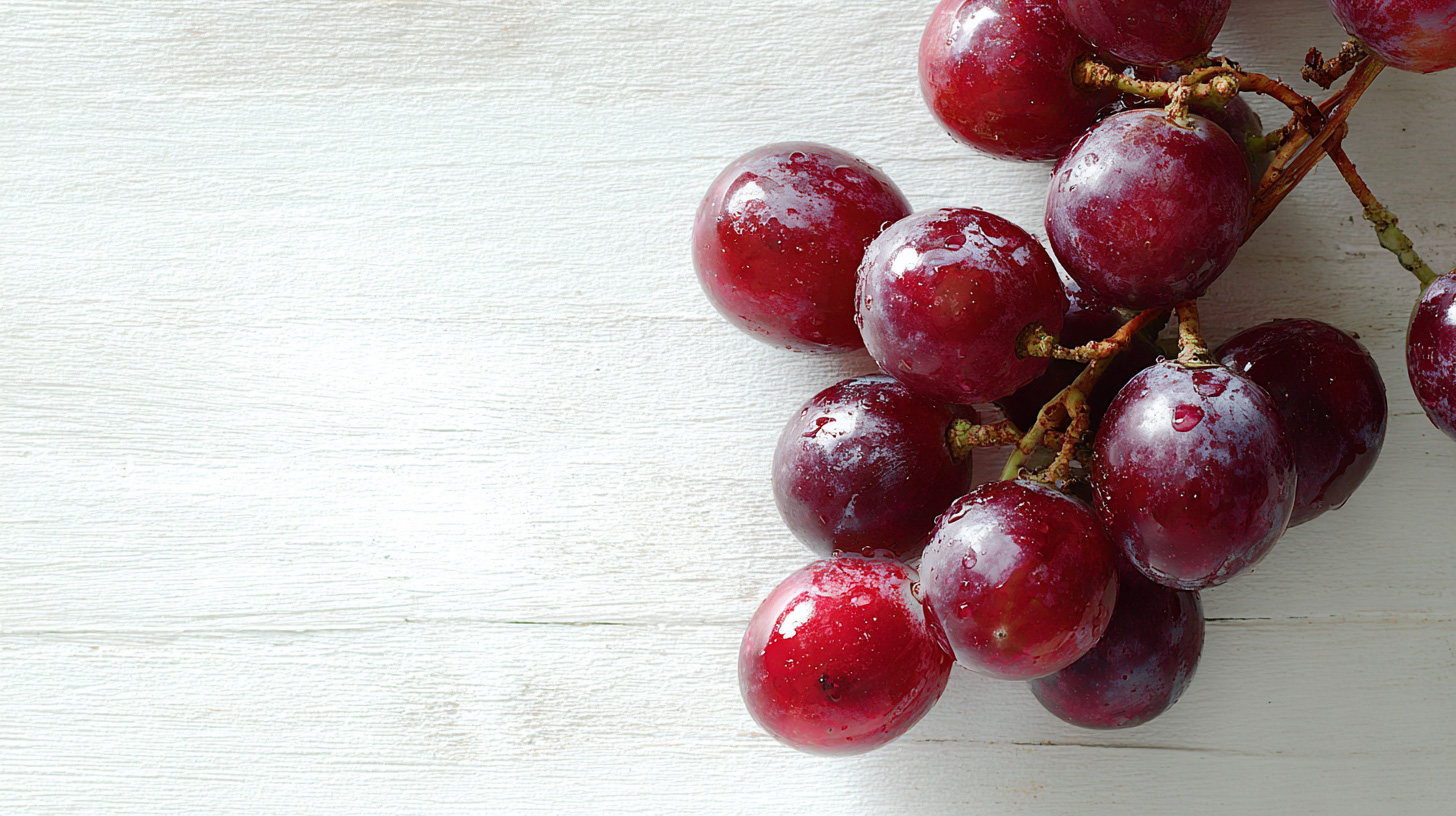
2. Berry Burst (Strawberries, Blueberries, Raspberries): Few things scream “fresh and delicious” like a medley of ripe berries. An image of mixed berries – with their deep reds, pinks, purples, and blues – can make a website feel vibrant and welcoming. Berries are perfect for food-related sites (bakeries, jam or dessert shops, health blogs) but can also add a pop of color to any modern layout. For hero sections, you might use a high-resolution close-up of dewy strawberries or a top-down shot of a bowl overflowing with blueberries and raspberries. Berries create a rich textured background. To use them effectively, find a composition where perhaps one side of the frame has empty space (e.g. a rustic wooden table visible next to the berry pile) for overlaying text. The contrast of colorful berries against neutral space can be visually stunning. A berry burst hero image instantly communicates “lush, tasty, and full of life.”
3. Tropical Paradise (Pineapple, Mango, Kiwi, Coconut): When you want to give visitors that vacation vibe right on your homepage, go tropical! Pictures of tropical fruits can transport viewers to a sunny beach or a rainforest oasis – fantastic for summer marketing campaigns, travel websites, or smoothie and ice cream shops. Imagine a hero banner with a pineapple wearing sunglasses, or a flat lay of mango slices, kiwi, and coconut on a bright teal background. The bold yellows, greens, and even pinks (hello, dragon fruit!) of tropical fruit imagery radiate warmth and adventure. Use these images to say “escape” and “exotic” without any words. A tip: tropical fruit photos often include multiple fruits together – ensure the composition isn’t too crowded for a hero. A single pineapple with palm leaves in the corner and open sky (or a solid color) in the opposite corner can give you that balance of vivid and open space. One glance, and your visitors will almost feel the island breeze.
4. Green & Fresh (Avocado, Kiwi, Green Apple, Herbs): Green fruit images are all about health, renewal, and nature. If your brand identity is clean, calming, or eco-conscious, consider a hero image dominated by greens. Think of a perfectly sliced avocado on a neutral background, a bunch of fresh mint and lime together, or a green apple with a tape measure (popular for diet/fitness themes). Green tones tend to be easier on the eyes while still vibrant, making them great backdrops. These images naturally suggest “fresh start” or “healthy living.” For instance, a top-down photo of a green smoothie bowl decorated with kiwi and spinach leaves on one half, with the other half of the frame plain, can convey wellness and give room for a tagline. Using green fruit imagery can subtly tell your audience that your site is about wholesome goodness. It’s an excellent choice for wellness coaches, organic food stores, sustainable products, or anyone wanting a refreshing calm in their hero section.
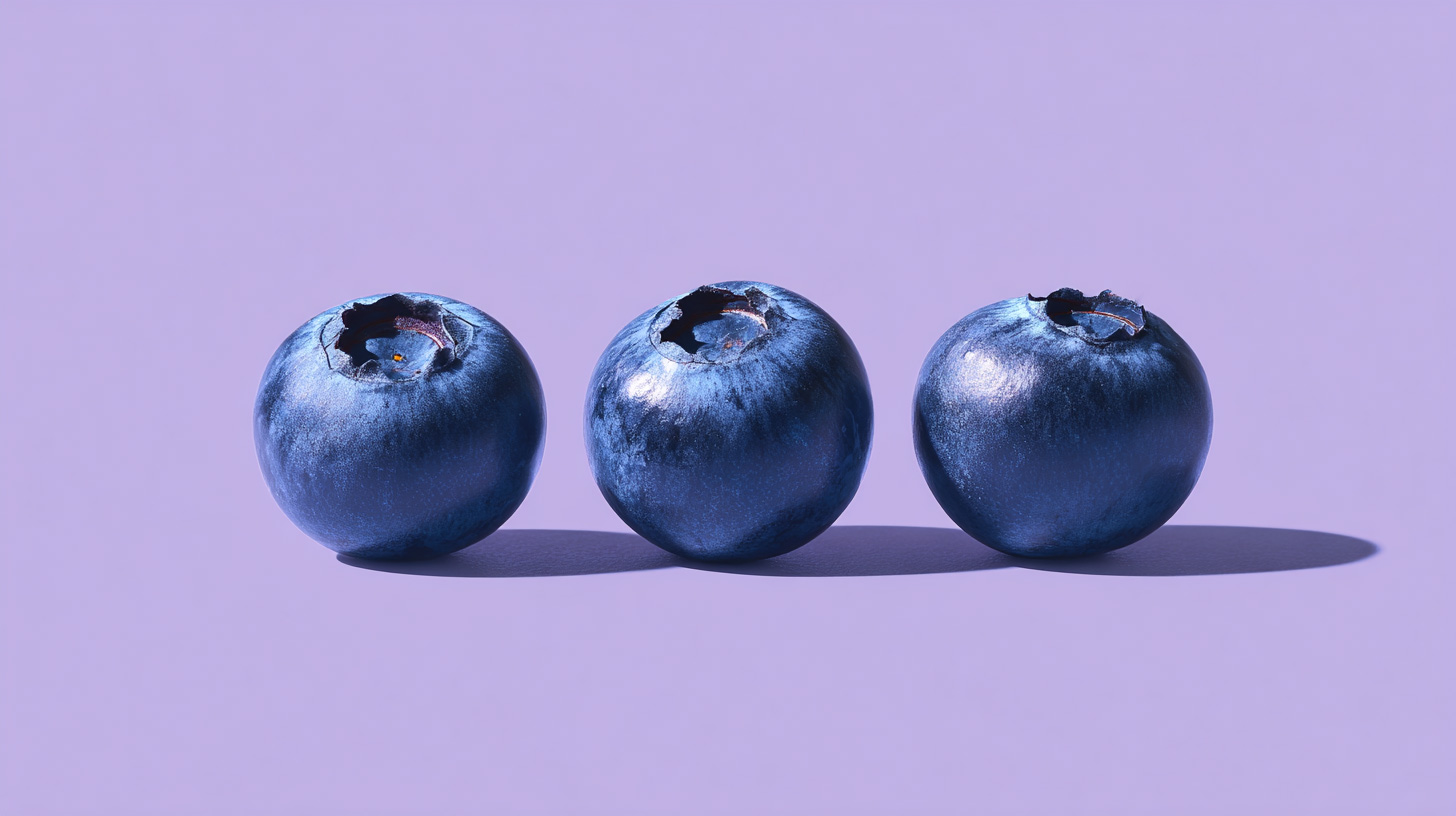
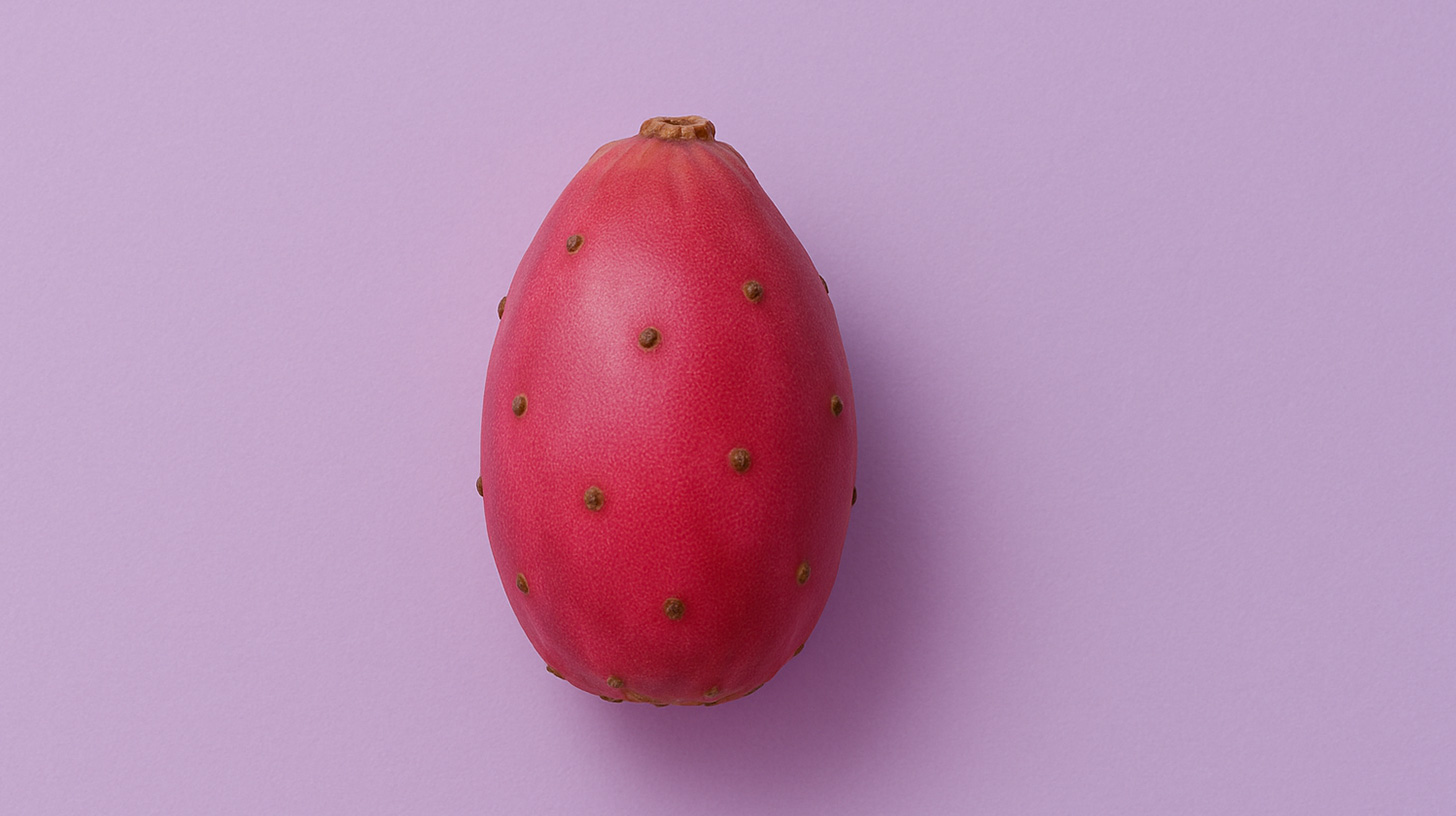
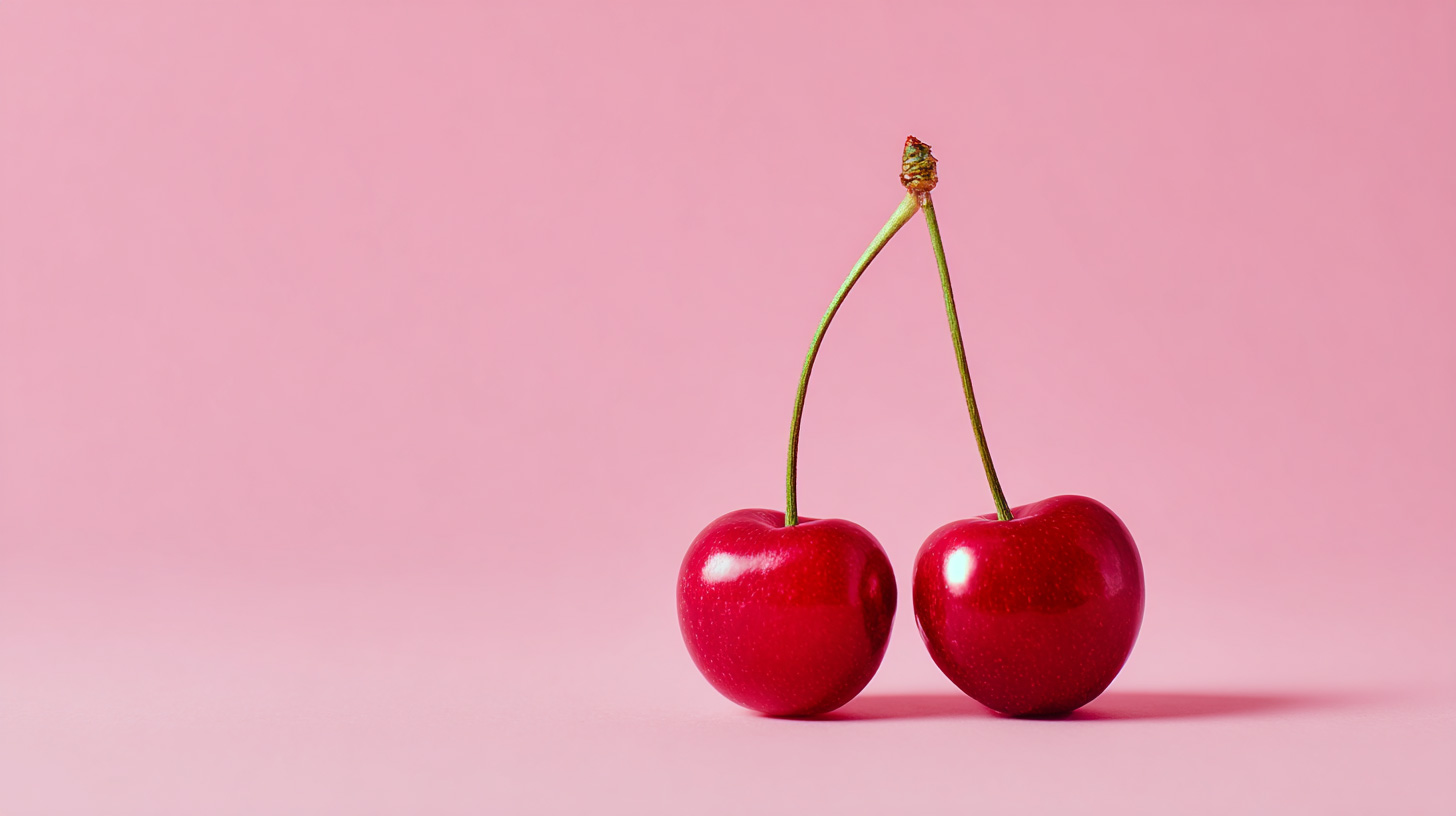
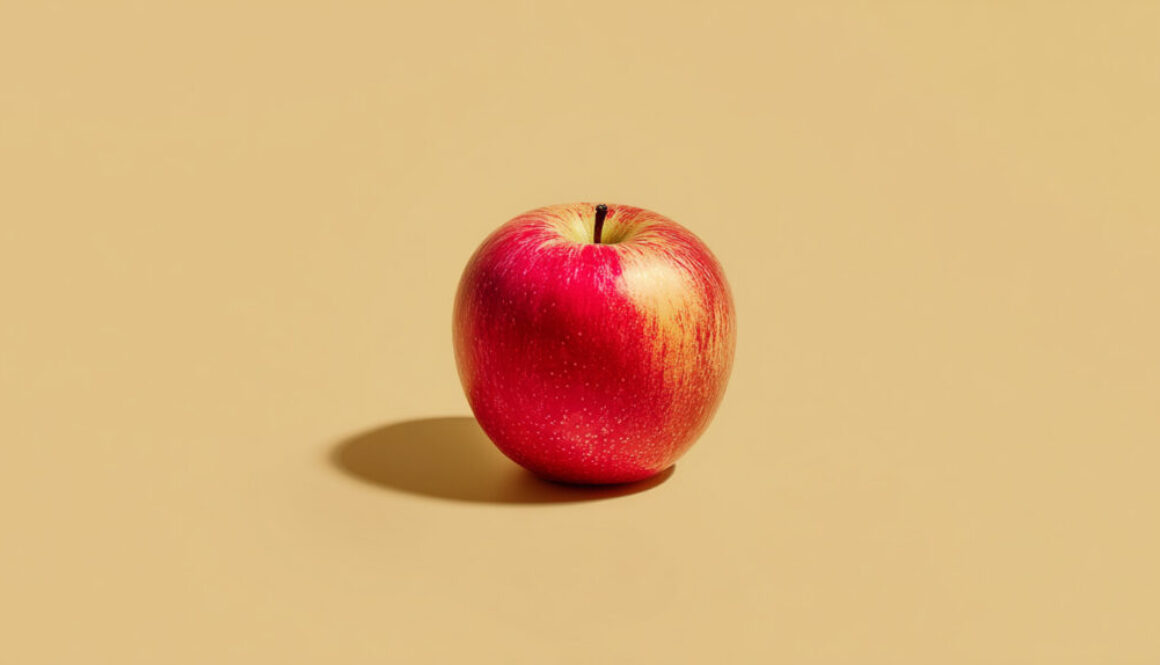
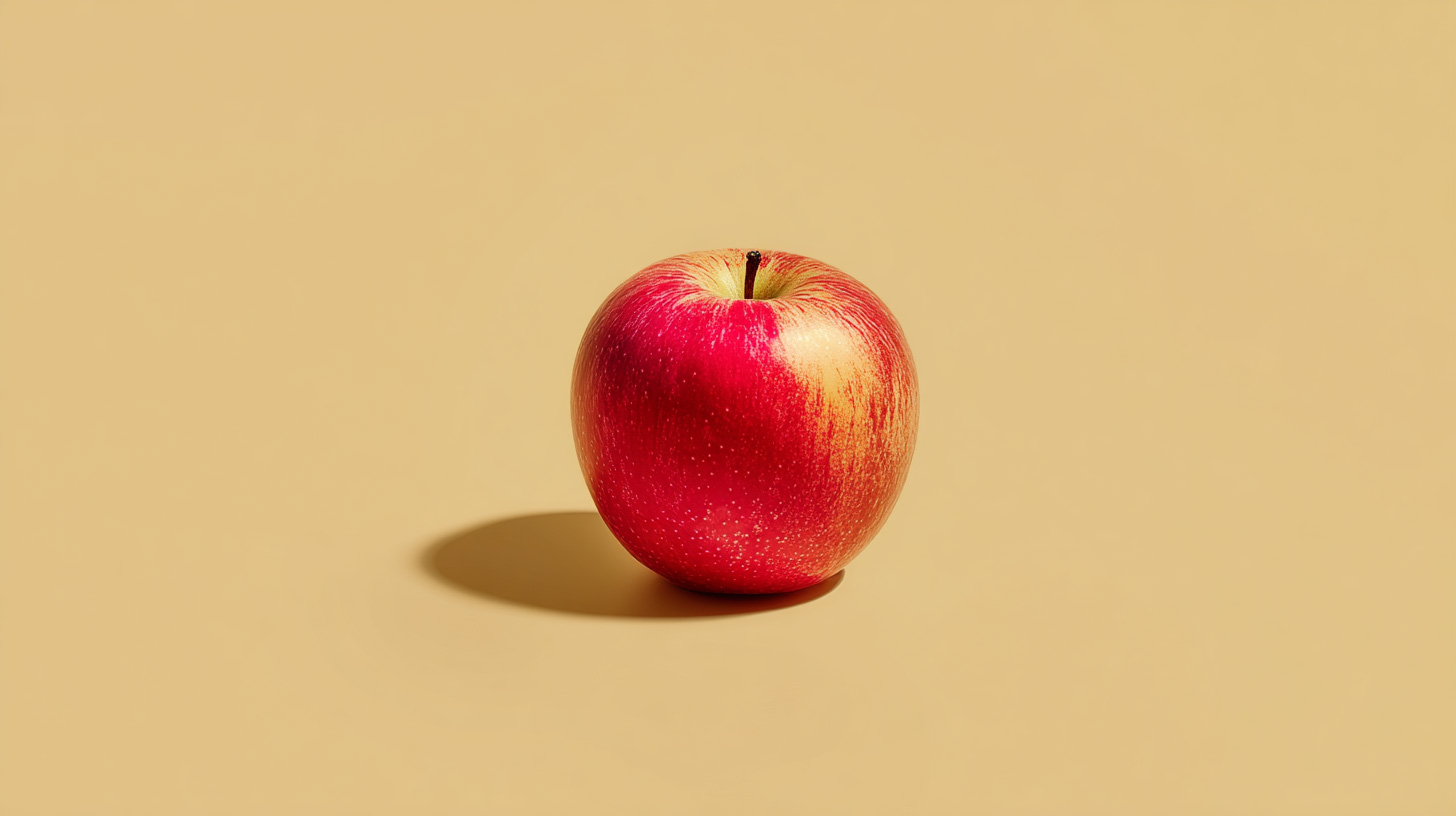
5. Single Fruit Focus (Minimalist Style): Sometimes less is more. A minimalist hero image featuring one fruit on a plain background can be incredibly impactful and elegant. This style works well if you prefer a clean, modern look on your website or need a lot of open space for overlaid text and buttons. Examples include a single strawberry on a white marble surface, a perfectly round orange against a pastel background, or a close-up of a lemon slice with lots of blank space around it. The simplicity draws attention to the fruit’s color and texture, and it gives a very premium, curated feel to your site. It’s almost like product photography – showcasing the fruit as the “hero” itself. This approach is great for sophisticated brands, portfolio sites, or any webpage aiming for a minimalist aesthetic. With a solitary fruit image, aligning your headline and call-to-action alongside it becomes easy, and the overall look is crisp and focused. Plus, minimalist images tend to load faster and appear sharper, which is a bonus for user experience.
6. Splash and Action Shots: Want to add drama and motion to your hero section? Consider fruit photos captured in action – for instance, a slice of lemon plunging into water with an explosive splash, or pomegranate seeds flying mid-air. Action shots with fruits are high-impact and can immediately grab a visitor’s attention with their dynamism. They work especially well for brands that want to project energy, excitement, or a bit of playfulness. A juice company might use a burst of orange juice splattering from a fruit, or a fitness brand could use a photo of water splashing over fresh berries to imply refreshment and movement. When using an action shot, check that the main action is positioned in a way that still allows for text overlay (you might position text in an area of the image that’s just water splash or blank background). These images are inherently bold and lively. They essentially shout “exciting things are happening here!” to your audience.
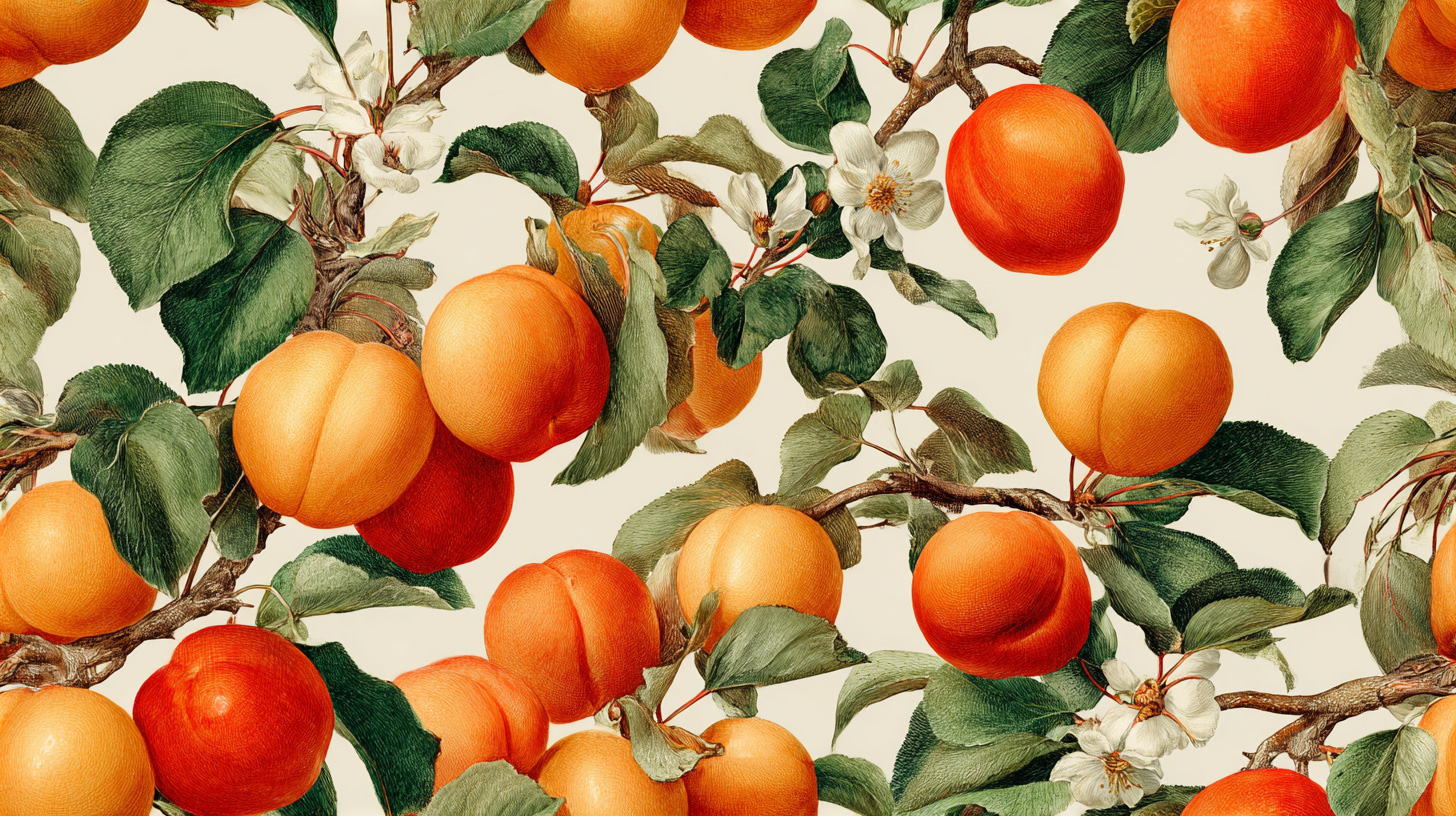
7. Seasonal Fruit Scenes: Another idea for “best” fruit hero images is to tailor them to the season or occasion. Changing your hero image with seasonal fruit can keep your site feeling timely and relevant. For example, in summer, a hero section with watermelon, berries, or a refreshing lemonade image instantly gives off summer vibes. In autumn, an image featuring apples, pumpkins, or a basket of pears in warm tones can add a cozy, harvest-season touch (great for fall promotions or blog themes). Winter might call for pomegranate, cranberries, or citrus – fruits that add color in the colder months – perhaps with some holiday context like cranberries in a wreath or oranges with cloves. Seasonal fruit images not only look beautiful but also signal to visitors that your content or offerings are up-to-date and in tune with the time of year. This strategy is excellent for blogs, ecommerce sites, or really any website that updates content year-round. It keeps things fresh (literally!) and gives people that “hey, this site is current” impression. Just ensure when you update images seasonally that they still align with your brand and you’ve optimized each new image for web performance.